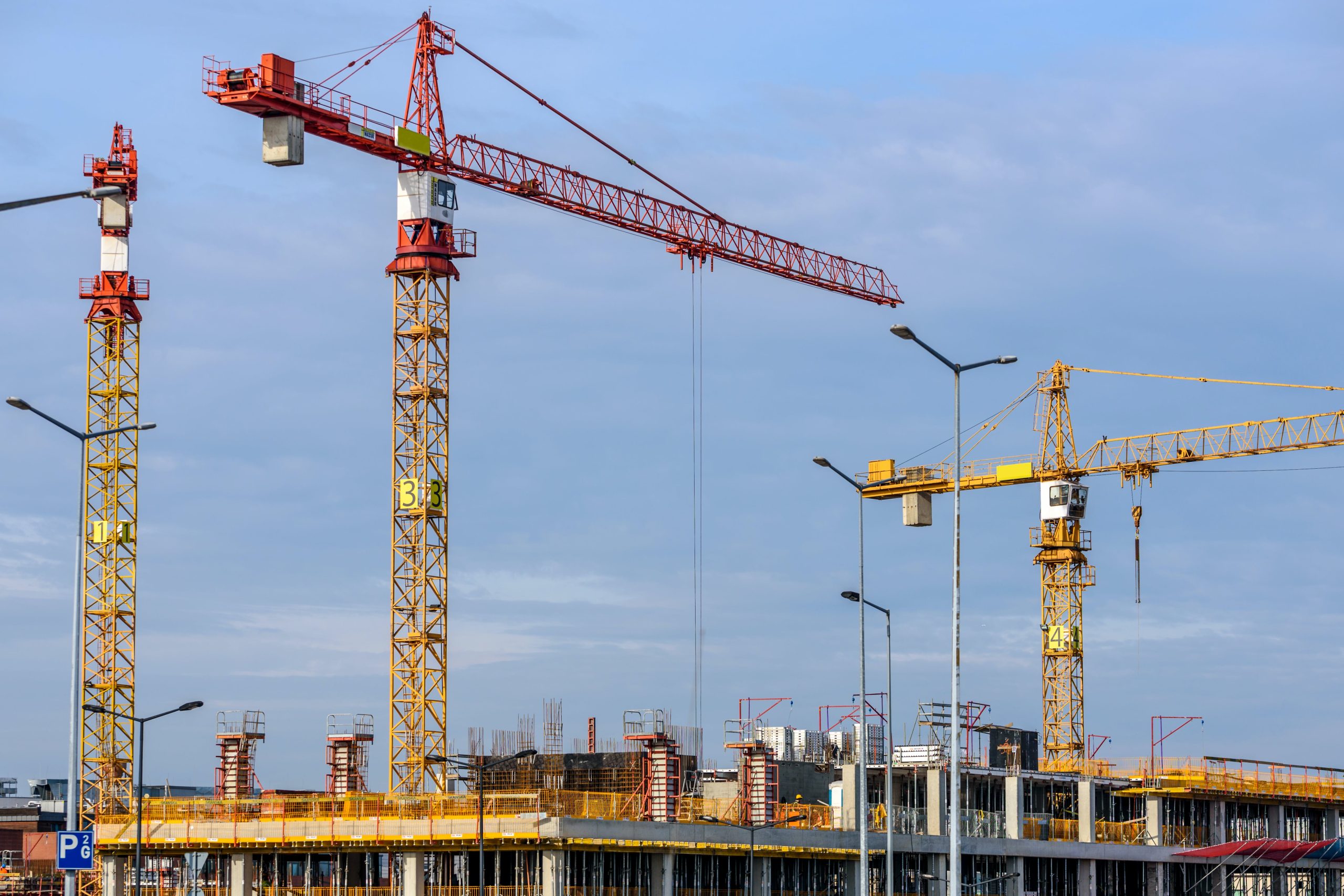
Builders risk insurance is designed to shield projects from unexpected losses, but design defect exclusions remain one of the industry’s most significant challenges. These exclusions define exactly what happens when a flaw occurs during a project.
At their core, these exclusions exist because insurers view defects in design or workmanship as business risks rather than accidental, fortuitous perils. However, the specific scope of an exclusion can dramatically influence the outcome of a claim.
Understanding design defect exclusions is a strategic necessity to ensure projects are protected without exposing stakeholders to unmanageable risk.
LEG Clauses: The Canadian Standard
LEG (London Engineering Group) clauses are the primary framework adopted in Canadian builders risk policies. They offer three distinct levels of exclusion:
- LEG 1/96: The strictest form, excluding all loss or damage caused by defects in design, materials, or workmanship.
- LEG 2/96: A moderate approach that covers resulting damage but excludes the specific cost of correcting the defect itself.
- LEG 3/06: The most generous level, covering damage and repair costs while excluding only “betterment” or improvements beyond the original design.
Canadian courts have supported these frameworks, particularly in cases like *Ledcor v. Northbridge (2016)*, where the Supreme Court ruled that while fixing a defect may be excluded, the damage caused by that defect is generally covered.
DE Clauses: Precision and Flexibility
Design Error (DE) clauses offer a more nuanced, progressive scale ranging from DE1 to DE5. While less common in Canada, they are gaining traction for large infrastructure or innovative projects that require bespoke risk management.
- DE1: A broad exclusion of all defect-related loss.
- DE2 to DE4: These levels progressively allow for coverage of consequential damage.
- DE5: This mirrors LEG 3, excluding only the costs associated with betterment.
The Legal Landscape in Canada
The Canadian legal environment generally emphasizes broad coverage. Courts frequently interpret ambiguities in favor of the insured party, meaning insurers must draft exclusions with extreme precision to avoid unintended exposure.
For brokers and contractors, matching coverage to project risk is essential. Highly complex projects may warrant the broader protection of LEG 3 or DE5 to avoid costly disputes.
Strategic Considerations for Your Project
Choosing the right exclusion framework isn’t just a technicality—it’s a strategic decision based on risk appetite. Owners seeking maximum protection will lean toward more generous clauses, while those with conservative profiles may prioritize lower premiums with stricter exclusions.
Negotiation remains key; using endorsements and “ensuing loss” provisions can help fine-tune a policy to balance cost and protection.
If you have questions about how these clauses impact your specific business, please reach out to your Navacord Advisor.
Local Touch. National Strength. Navigating the evolving construction landscape requires expert insight into legal precedents and practical realities. The information contained herein is general in nature and general insurance description only. The information is not intended to be insurance advice; nor does it amend, modify or supplement any insurance policy. Consult your actual policy or your broker for details regarding terms, conditions, coverage, exclusions, products, services and programs which may be available to you.