
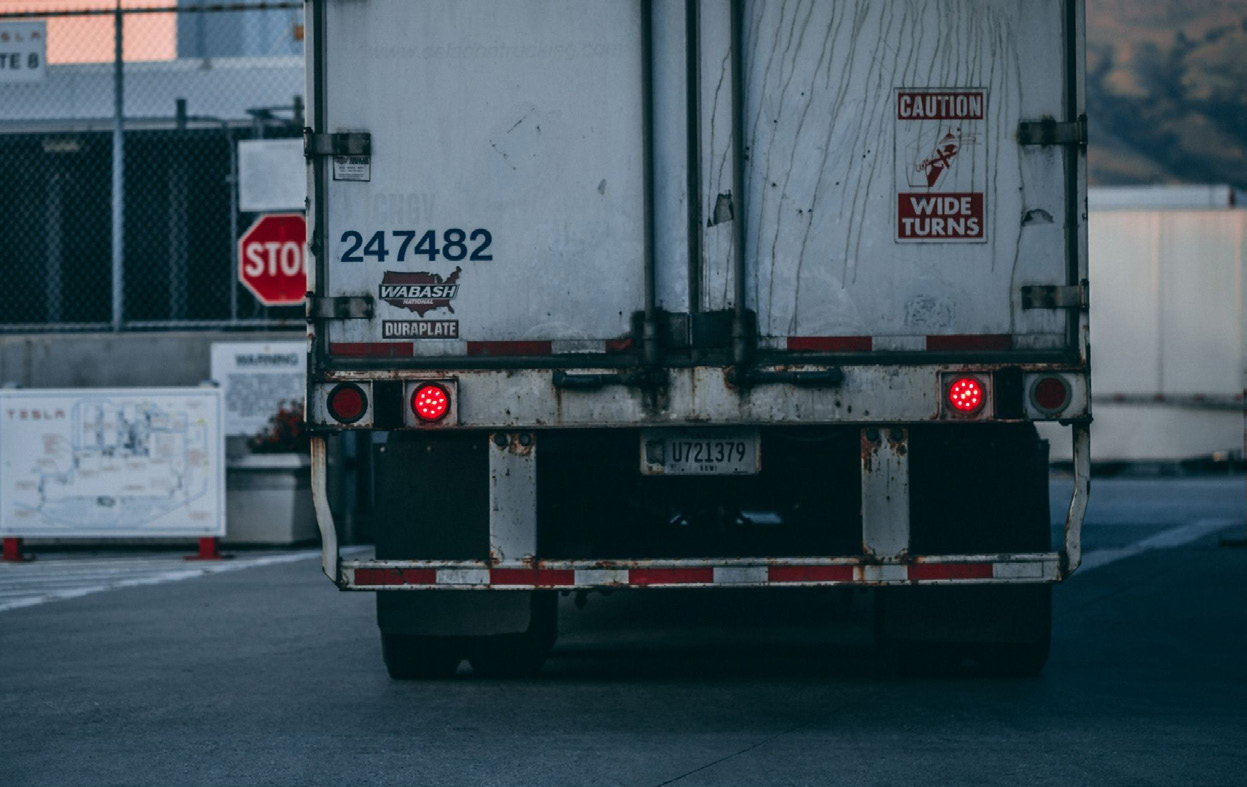
The landscape of cargo theft is evolving rapidly. What was once largely opportunistic has become a highly organized and technologically sophisticated operation. Criminal networks now leverage digital tools, artificial intelligence (AI), and data breaches to identify and intercept valuable shipments with unprecedented precision.
For transportation and logistics companies, the risk environment has changed. Protecting goods in transit now requires not only strong operational discipline but also advanced digital vigilance.
The Evolution of Cargo Theft
The emergence of AI has made it easier for bad actors to conduct identity fraud and impersonate legitimate carriers or brokers. Skilled hackers are capable of infiltrating trucking company databases, monitoring logistics systems, and fabricating pickup requests or load documents that appear genuine.
This new level of organization has enabled criminals to orchestrate “ghost loads”—entirely fake shipments arranged through falsified credentials and stolen identities. As a result, cargo can be stolen before it ever leaves the yard.
INDUSTRY TREND: Beyond High-Value Goods
Traditionally, high-value items such as electronics, tobacco, and cannabis have been prime targets. However, rising costs of food, household goods, and other consumables have made these items increasingly attractive on the black market.
The Impact: With digital tools allowing theft operations to transcend regional borders, cargo theft has become a national—and even international—threat that affects every link in the supply chain.
Prevention and Risk Mitigation
In this environment, vigilance and proactive risk management are essential. Transportation firms must strengthen both their physical and digital security practices to stay ahead.
Secure Storage and Handling
Preloading trailers and leaving them unattended in unsecured areas is one of the leading contributors to theft losses. Trailers should be stored in fenced, monitored, and guarded facilities whenever possible, with access strictly controlled.
Technology and Tracking
Modern technology can significantly reduce exposure to theft. Implementing the right tools provides real-time visibility and accountability:
- GPS Tracking: Use hidden sensors to monitor cargo location in real-time.
- Electronic Seals: Ensure cargo integrity and receive immediate alerts if a trailer is breached.
- Surveillance: Utilize in-cab and yard cameras to provide an added layer of deterrence and evidence.
Driver Education and Awareness
Drivers are the first line of defense against theft. Comprehensive training should include:
- Recognizing suspicious behavior and “following” patterns.
- Strict protocols for securing cargo during stops.
- Maintaining confidentiality regarding routes, schedules, and secure parking locations.
Route Planning and Compliance
Shipment routes should be planned to avoid known high-crime areas, with clear protocols for adherence. Real-time communication between drivers and dispatchers ensures that any deviations are promptly identified and investigated.
Conclusion
The increasing sophistication of cargo theft demands an equally sophisticated approach to prevention. By combining secure operational practices, advanced technology, and strong driver education, transportation companies can significantly mitigate risk and safeguard their assets.
Partnering with experienced risk management professionals can further help identify vulnerabilities and implement tailored strategies to protect your organization from the growing threat of digital-age cargo theft.
If you have questions specific to your business, please reach out to your Navacord Advisor.
Local Touch. National Strength. Let us help you manage your risk. The information contained herein is general in nature and general insurance description only. The information is not intended to be insurance advice; nor does it amend, modify or supplement any insurance policy. Consult your actual policy or your broker for details regarding terms, conditions, coverage, exclusions, products, services and programs which may be available to you.